Monday, March 7, 2022

BULLET TRAIN

 BULLET TRAIN NETWORK IS BENEFICIAL FOR INDIA 

TEAM-GRAND CANYON 
KAREENA, ANJALI, ANJALINA, MANSI SHARMA, SATISH AND CHANDAN 


Bullet Trains in India: In September 2017, Prime Minister Narendra Modi and his Japanese counterpart Shinzo Abe laid the foundation stone of the ambitious bullet train project – connecting Mumbai with Ahmedabad.


There are arguments for and against adopting bullet trains in India. Does India really need bullet trains? Let’s see.


What are Bullet Trains?

The Shinkansen high-speed trains of Japan are colloquially called as bullet trains for their appearance and speed.

It is a term generally used to describe a high-speed train of speeds above 250 kmph.

The First Indian Bullet Train Project in india 


India’s first bullet train will run in the Mumbai and Ahmedabad high-speed rail corridor, whose construction began in September 2017.


It is a 508 km long high-speed rail corridor built with the help of Japan.


The train will run at a speed of 320kmph and is expected to be completed by 2022.


The 2009–2010 Rail Budget of India introduced the Mumbai–Ahmedabad corridor and 5 other high-speed rail corridors for a feasibility study.


Wednesday, March 2, 2022

ANNELIDA AND MOLLUSKS FULL AND SHORT INFORMATIVE NOTES

 PHYLUM - ANNELIDA 

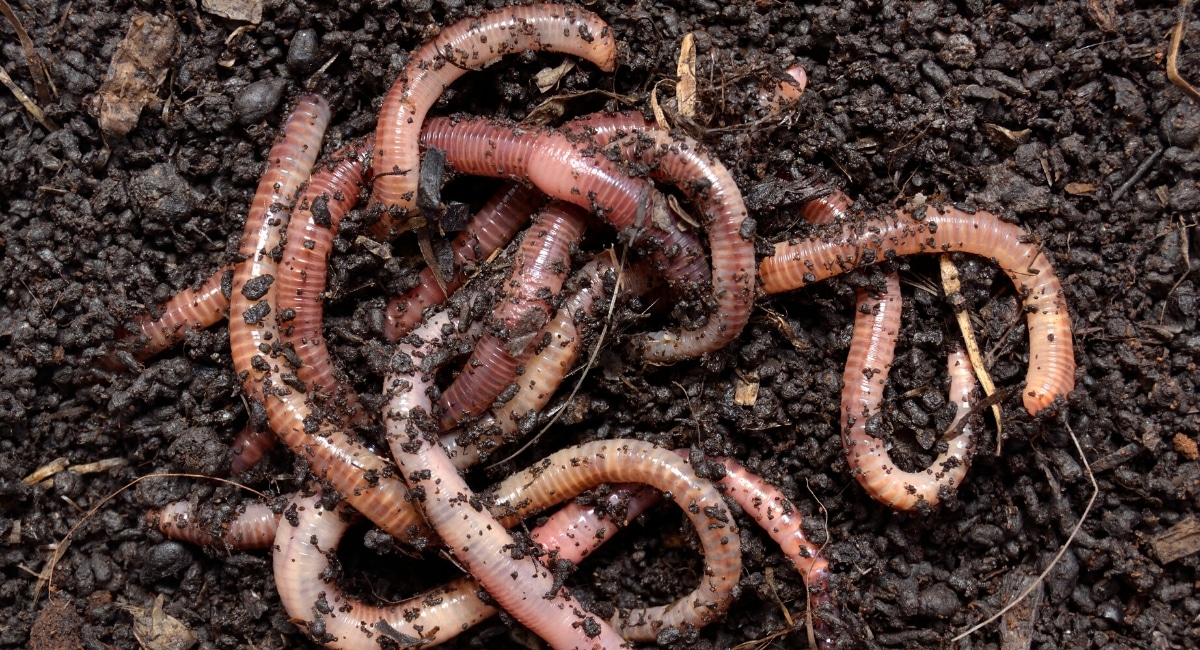
The phylum annelida includes the segmented worms, such as earthworm and leeches.

Characteristic of Annelida


1. Body Form :- The body is soft, elongated, cylindrical or flattened. It is divided into segments or metamers by ring-like grooves, the annuli. This character is given by the phylum its name. 


2. Symmetry :- The symmetry is bilateral in annelids.


3. Germ layers :- The segmented worms are triploblastic. 


4. Level of organisation :-The segmented worms have organ system level of organisation. 


5. Head:- The anterior end of the body often forms a distinct head with sense organs in some cases. 


6. Appendages :-Many forms have simple, unjointed,locomotory appendages, the parapodia, on the side of the body. 


7. Body wall:- The body wall consists of thin, most cuticles, single layered epidermis and well developed musculature. The cuticle is albuminoid rather than chitinoid, and allows free exchange of gases. The musculature is differentiated into circular and longitudinal layers of muscle fibers. All muscle fibers are smooth. 


8. Body cavity :-The body cavity is a true coelom, as it is lined by a mesodermal coelomic epithelium. It is schizocoely. It is divided by transverse septa into compartments. It is filled with coelomic fluid that contains cells. 


9. Skeleton :- There is no mineralised skeleton. Fluids filling the coelom serve as a hydrostatic skeleton. 


10. Digestive Tract:- The digestive tract is complete, straight and extended through the entire body. The gut has both circular and longitudinal muscle. 


11. Circulatory System :- A closed circulatory system has appeared. Some blood vessels are enlarged to act as pumping hearts. The blood is red with haemoglobin dissolved in the plasma. It has amoeboid corpuscles only. 

12. Excretory system :- The excretory system consists of coiled tubules, the metanephridia. The letter also helps in the maintenance of water balance of the body (osmoregulation). Excretory matter is ammonia in aquatic form (Ammonotelism) and urea in landforms (ureotelism) .


13. Nervous system :-The nervous system includes a circumentric nerve ring and solid, double, mid ventral, nerve cord with ganglia (ganglion is an aggregation of nerve cell bodies). Sense organs (tentacles, palps, eyes) may be present. 


14. Reproduction :- The sexes may be separate or united. Asexual reproduction by budding or fission occurs in some cases. 

15. Development :- Life history may include a trochophore larva in some cases. 


UNIQUE FEATURES 

The annelids have the following unique features -

  • Metameric segmentation. 

  • Nephridia for excretion and osmoregulation. 

  • Closed circulatory system with respiratory pigment dissolved in the plasma. 

ADVANTAGE OVER ROUNDWORMS 


The annelids show advantage over the roundworms in having -


  • Metameric segmentation 

  • Head, appendages and respiratory organ (gills) In some cases 

  • True coelom 

  • Circulatory systems often have red blood.

  • Circular and longitudinal muscle in both body wall and gut wall. 


CLASSIFICATION 


The phylum annelida is divided Into three classes :-

  • Polychaeta 

  • Oligochaeta 

  • Hirudinea 


Class1. Polychaeta 


The polychaeta have following characters -

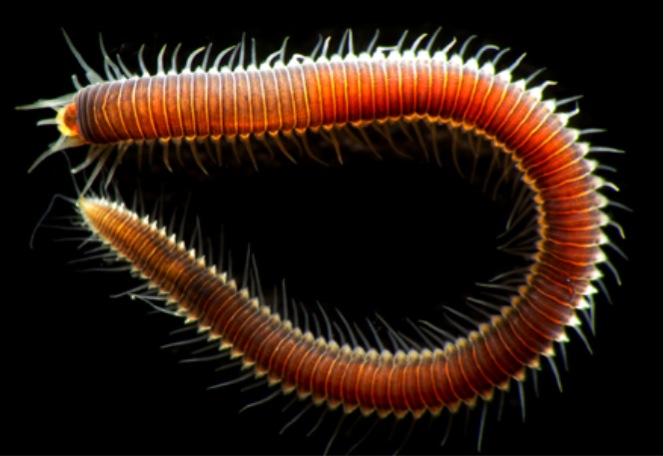
  • Body bears a distinct head with sense organs (eyes, tentacle, palps),  and unjointed locomotory appendages called paralodia. 

  • Setae are long, numerous and occur in the parapodia.

  • Saxes are separate, Gonads are temporary, developing in breeding season only. 

  • Fertilisation is generally external. 

  • Development includes a larval stage, called trochophore.
  • Asexual reproduction by budding occurs in some cases.

  • Polychaetes are mostly marine. 

Examples : Nereis -the sandworm, Aphrodite - the sea mouse 

class 2. Oligochaeta


Thank oligochaeta have following characters -

  • Body lacks head and parapodia.

  • Setae are small and fewer. 

  • Clitellum is present. 

  • Sexes are united. 

  • Fertilization occurs in the ootheca.

  • Development is direct.

  • Asexual reproduction is common in freshwater forms.

  • Oligochaetes are terrestrial or fresh-water annelids.

Examples : pheretima - The earthworm, Tubifex -

 bloodworm


Class 3.Hiridinea


The hirudinea have following characters -

  • Body lacks head and parapodia. 

  • Setae are also absent. 

  • There is an anterior sucker and often also a posterior sicker for locomotion and feeding. 

  • Ceiling is greatly reduced by the formation of peculiar connective tissue called botryoidal tissue. 

  • Sexes are united. 

  • Development is direct. 

Example : Hirudinaria 


PHYLUM - MOLLUSCA

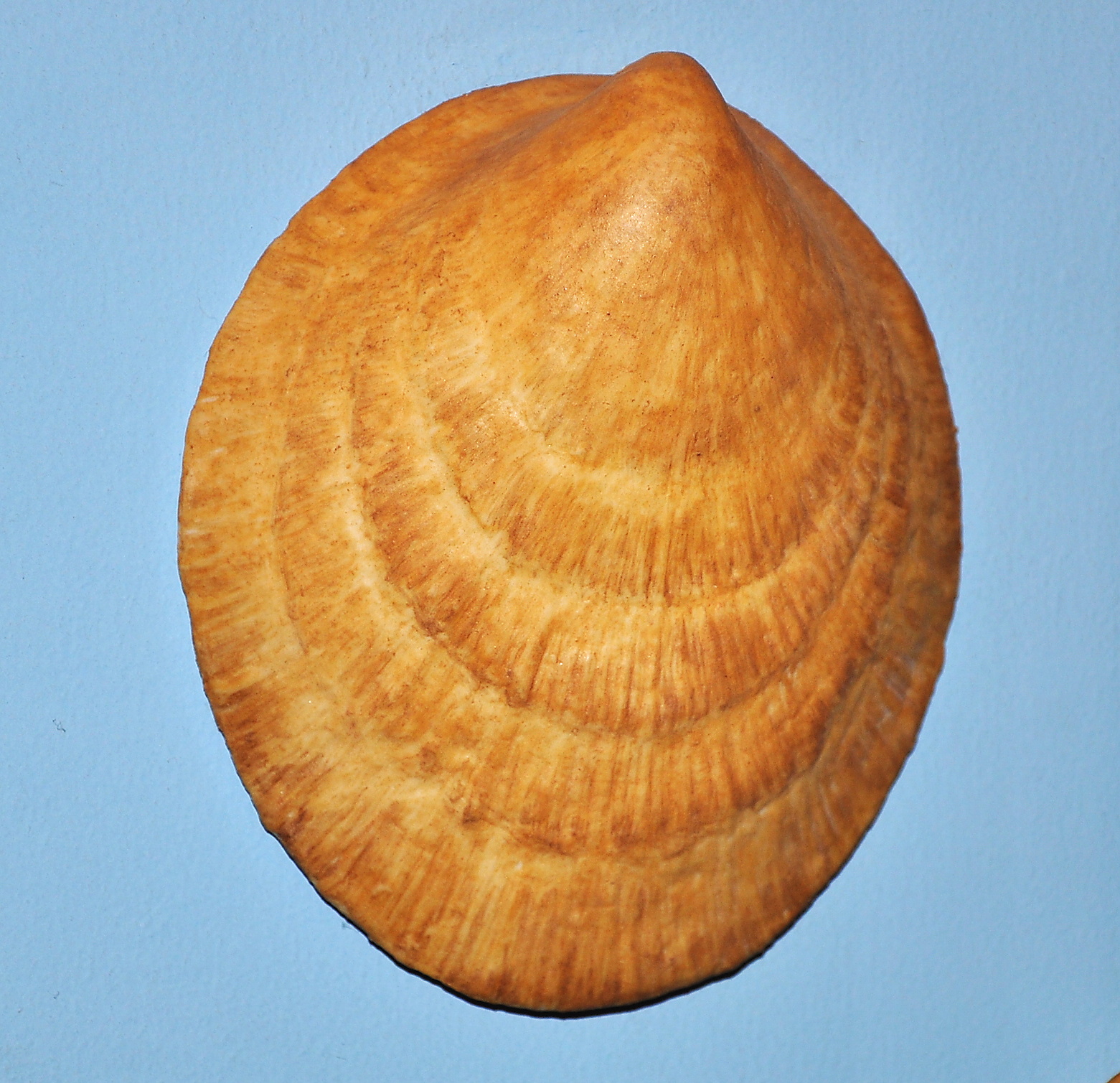
The phylum Mollusca includes the mussels, oysters, snail, slugs, squids and cuttlefish. 
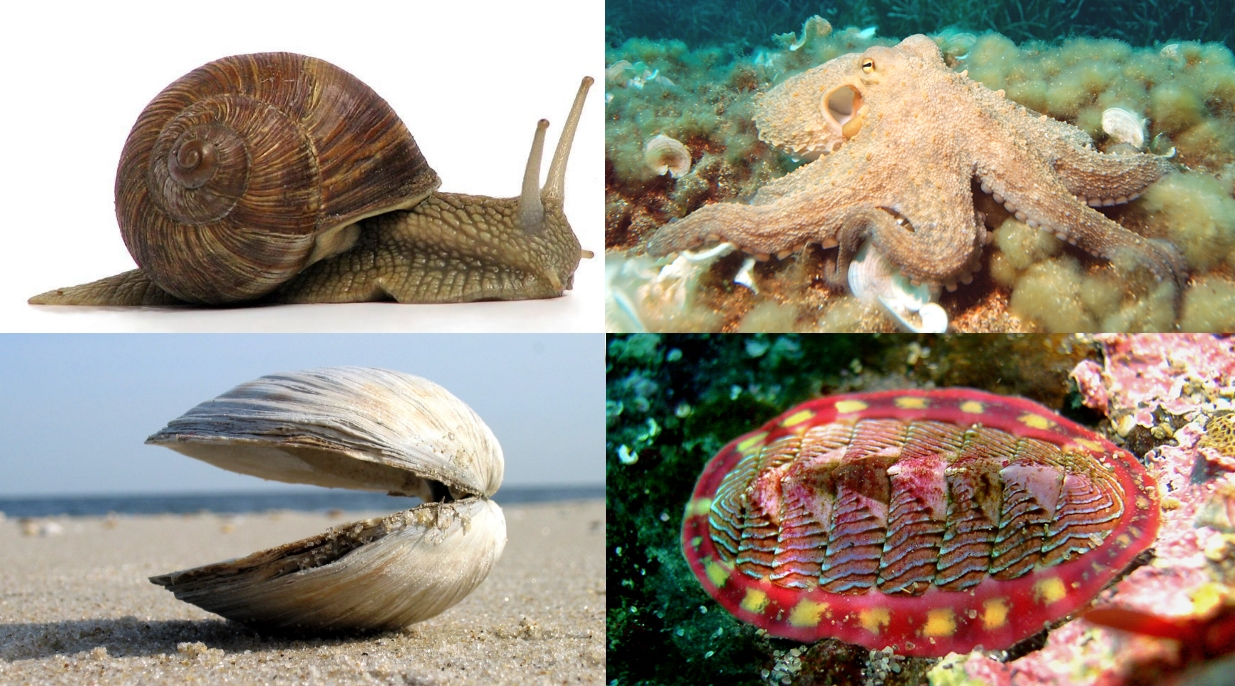
They possess the following characters-

1. Body form:- The body has a variety of shapes and is usually unsegmented. Neopilina is, however, a segmented mollusk. 


2. Symmetry :- The symmetry is generally bilateral in mollusks. Some are secondarily asymmetrical (snail) due to torsion (twisting) during growth. 


3. Germ layers :- The mollusks have organ system level of organisation.


4. Body parts:- The body is usually differentiated into three regions : Anterior head with sense organs, dorsal visceral mass containing organ system and ventral foot for locomotion. 


5. Body wall :- Epidermis is 1-layered and usually ciliated. Muscles are unscripted and occur in bundles. 


6. Mantle (pallium) :-A thin fleshy fold or outgrown dorsal body wall more or less covers the body. This fold is called the mantle or pallium. It encloses a space, the mantle, or pallial, cavity, between itself and the body. 


8. Shell:- The mantle usually secrets an external slimy.


9. Body cavity :- Coelom is greatly reduced. It is represented by cavities in the pericardium, kidneys and gonads. 

Space amongst the viscera contains blood from haemocoel. 


10. Digestive tract :- The digestive tract is complete. Buccal cavities often contain a rasping organ, the redula, with transverse rows of teeth. Annus opens into the mantle. 


11. Respiration :- Respiration usually takes place by gills, called the ctenidia, located in the mantle cavity, but may occur by body surface, mantle (Dentalium) or pila. 


12. Circulatory system :- The circulatory system is mostly open. It includes a dorsal pulsatile heart and a few arteries that open into sinuses. Blood often has a copper containing, blue respiratory pigment called haemocyanin. The cephalopods have a closed circulatory system. 


13. Excretory system :- The excretory includes 1 or 2 pairs of socks like a kidney, which open into the mantle cavity. The excretory matter is ammonia or uric acid ( Ammonotelism or uricotelism) 


14. Nervous system :- The nervous system typically Comprises three paired ganglia : cerebral above the mouth, pedal in the foot, and visceral in the visceral mass, interconnected by commissures and connectives. A commissure joins similar ganglia. A connective links dissimilar ganglia. Sense organs included eyes, statocysts for equilibrium,and osphradia for testing the chemical and physical nature of water.


15. Reproduction :-Saxes are usually separate. Gonads have ducts. Fertilisation may be external or internal. Asexual reproduction is lacking. 


16. Development :- Life history may be direct or with a larva named glochidium or veliger. 


UNIQUE FEATURE 


The mollusks show the following unique features -
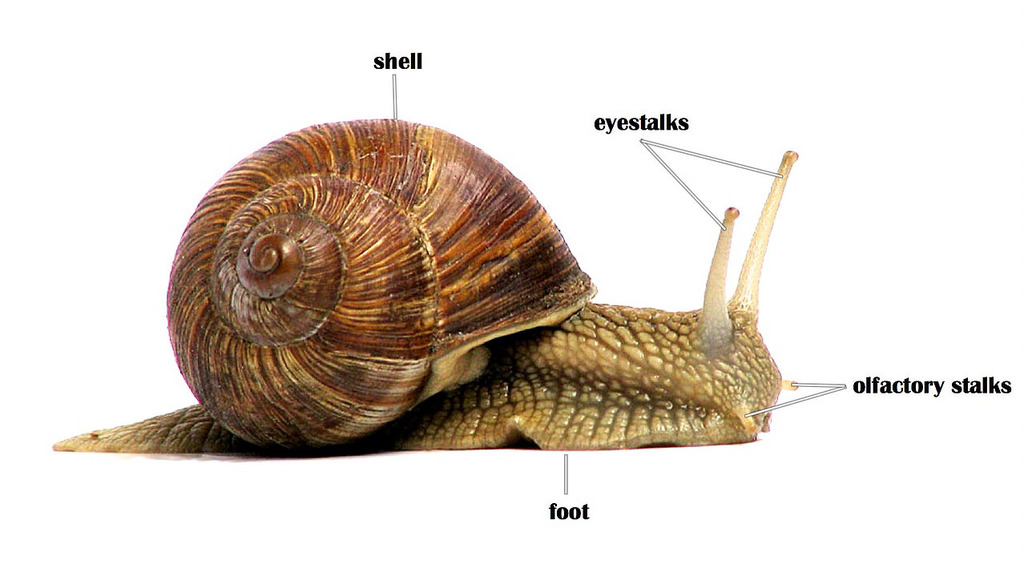

  • Three body regions : head, visceral mass and foot.

  • A glandular fold, the mantle, over the body. 

  • Mantle cavity with anal, excretory and genital aperatus in it.

  • Calcareous shell around  the body in most cases. 

  • A rasping organ, the radula, in the buccal cavity. 


CLASSIFICATION 


The phylum mollusca is divided into six classes :


  • MONOPLACOPHORA

  • AMPHINEURA

  • SCAPHOPODA

  • GASTROPODS 

  • PELECYPODA 

  • CEPHALOPODA 


Class 1. Monoplacophora 

The monoplacophora are all Marin. They have following characters -

  • Head bears tentacles. 

  • Foot is disc-like with a flat, creeping sole. 

  • Shell is Spoon or cup-shaped. 

  • Visceral mass is segmented. 

Example : Neopilina 

Neoplina is a good connecting link between annelids and mollusks. 

Class. 2 Amphineura 

The Amphineura are all Marine. They have following characters -

  • Head is reduced and without eyes and tentacles. 

  • Foot may be large, reduced or absent. 

  • Shell may be absent or consist of a row of plates. 
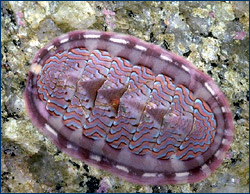
Example : Chiton 


Class 3. Scaphopoda

The scaphopoda are all Marine . They have following characters -

  • Head is rudimentary and lacks eyes and true tentacles. 

  • Foot is comical and used for digging. 

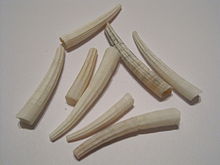
  • Shell is tubular, open at either end. 

  • Respiration occurs by mantle. 

Example : dentalium - tusk shell or tooth shell  

class 4. Gastropoda 

The gastropods are terrestrial, freshwater as well as marine. They have following characters -

  • Head is present. It bears eyes and tentacles. 

  • Foot is large and flat. 

  • Shell is often spirally coiled. 

  • Gills are pectinate. 

  • Symmetrical embryo grows into an asymmetrical adult due to twisting (torsion) of the visceral mass during development. 

  • The mouth and annus lie on the same  side. 

Examples : pila - the apple snail, 

Cypraea - the cowrie,

Limax -the grey slug,

Helix -the garden snail, 

class 5. Pelecypoda 

The pelecypoda may be freshwater or marine. They have the following characters -

  • Head is absent. 

  • Foot is wedge-shaped for burrowing. 

  • Shell consists of two valves Movably hinged dorsally. 

  • Gills are plate-like. 

Unio 

Examples: Unio - the fresh water mussel, 

Ostrea - The edible oysters. 

Nautilus - The sea- mussel 

Class 6. Cephalopoda-

 The cephalopods are all marine.They have the following characters -

  • Head and foot are combined together, hence cephalopoda. 

  • Head is prominent and bears large eyes that resemble those of vertebrates. 
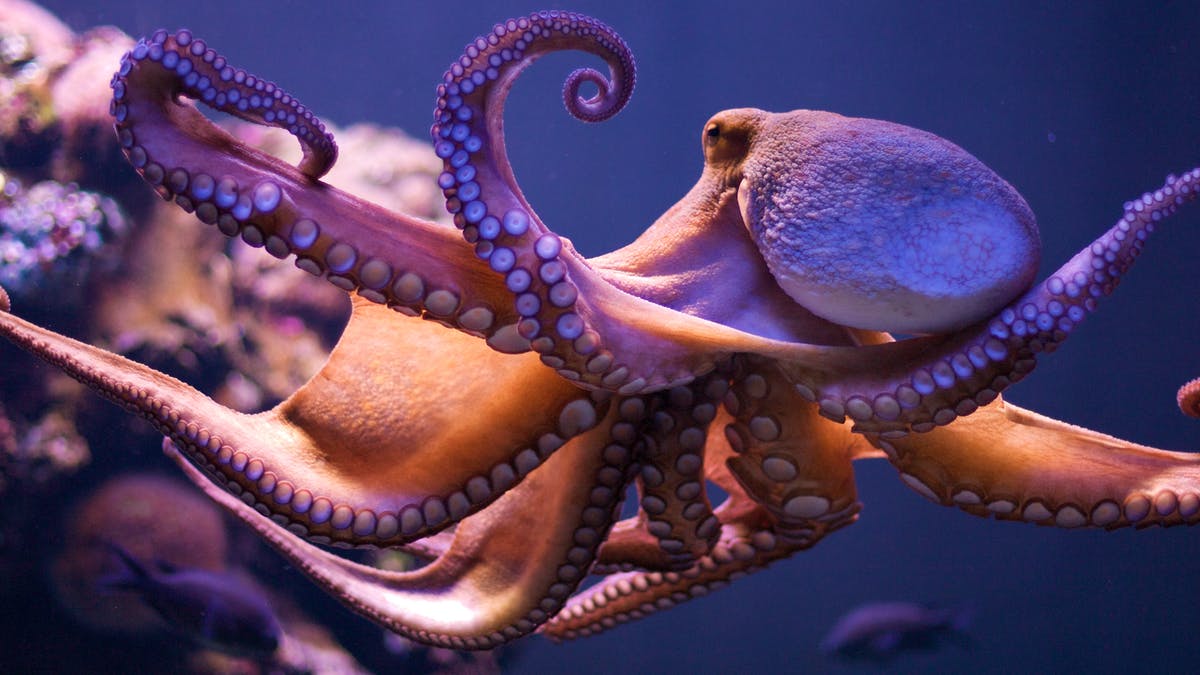
Octopus 
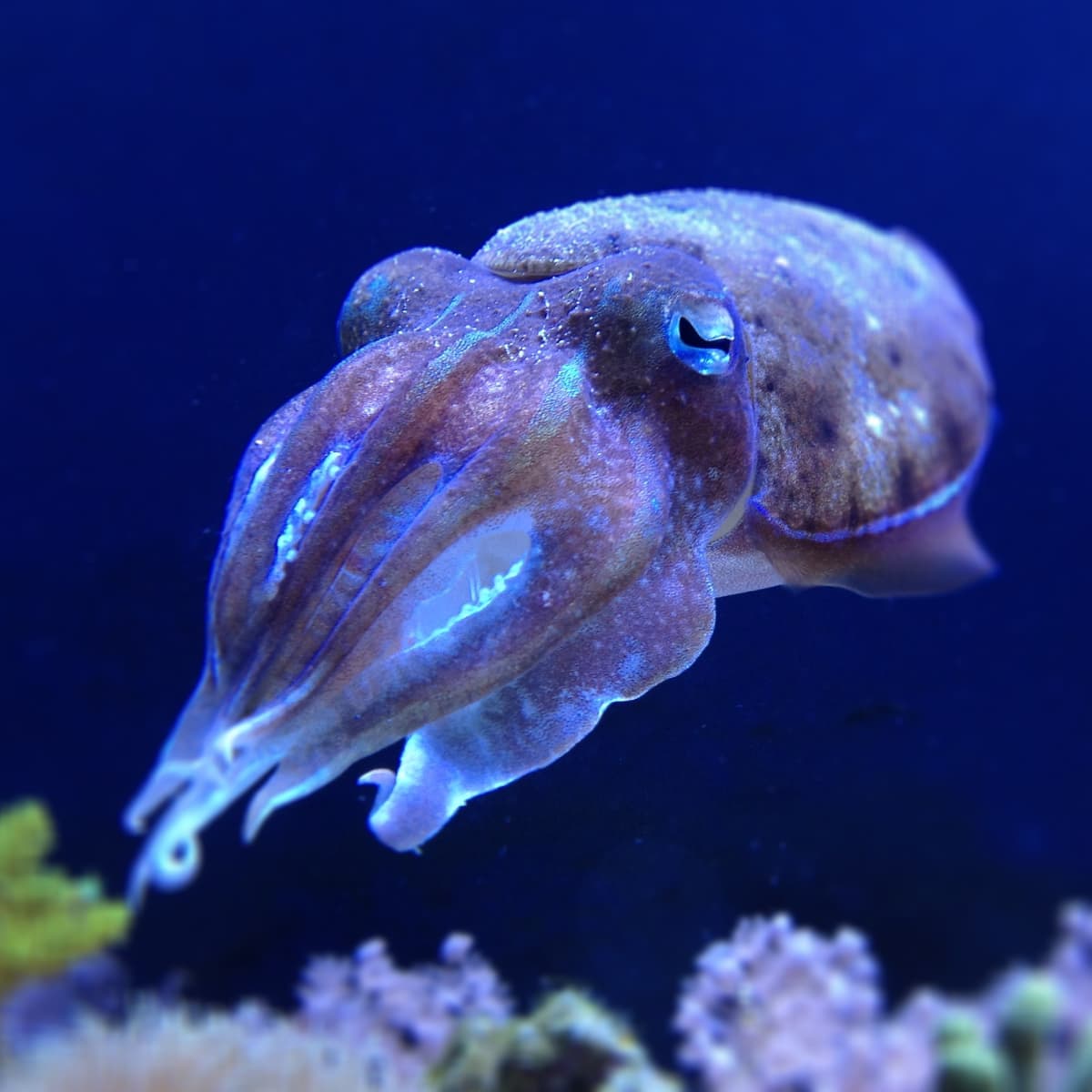
  • Shell is often internal and reduced. It may be external (Nautilus) or absent  (octopus). 

  • Gills are plume -like. 

  • Circulatory system is closed.

Cuttlefish 

Examples : Sepia - the cuttlefish, Loligo -the squid, 

Octopus - the devil fish .


Thank you everyone 


Sunday, February 27, 2022

BRYOPHYTES AND PTERDOPHYTES FULL INFORMATIVE NOTES

 BRYOPHYTES 

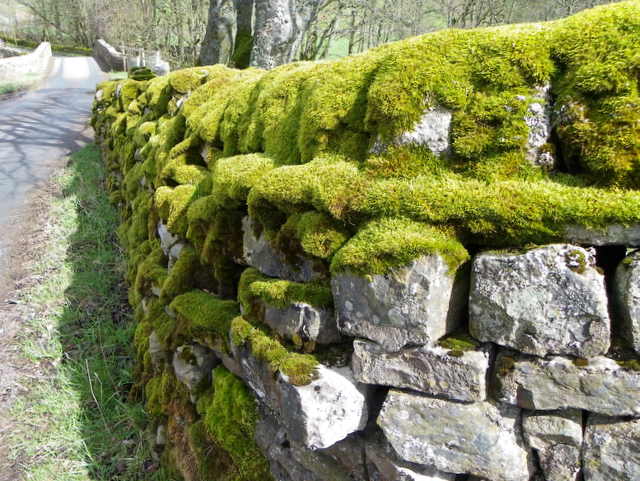
Bryophytes include the various mosses and liverwort that are found commonly growing in moist shaded areas in the hills.


  • Bryophytes are also called amphibians of the plant kingdom because these plants can live in soil but are dependent on water for sexual reproduction.

  • They usually occur in damp, humid and shaded localities.

  • They play an important role in plant succession on bare rock /soil. 

  • The plant body of bryophytes is more differentiated than that of algae. It is thallus-like and prostrate or erect, and attached to the substratum by unicellular or multicellular rhizoid.

  • They lack true roots, stems or leaves. 


  • They may possess root-like, leaf-like or stem-like structures.

  • The main plant body of the bryophyte is haploid. It produces gametes, hence is called a gametophyte.


  • The sex organs in bryophytes are multicellular. The male sex organ is called antheridium. They produce biflagellate antherozoids.The female sex organ is called archegonium is flask -shaped and produces a single egg. 

  • Theantherozoid are released into water where water where they come in contact with archegonium. 

  • An authrozoids fuses with the egg to produce the zygote. Zygotes do not undergo reduction division immediately. They produce a multicellular body called a sporophyte. 

  • The sporophyte is not free living but attached to the photosynthetic gametophyte and drives nourishment from it. 

  • Some cells of the sporophytes undergo reduction division (meiosis) to produce haploid spores. These spores germinate to produce gametophyte

Economic importance of Bryophytes 


  1. Soil conservation :- Mosses grow in dense mates over the soil surface. They bind the soil particles and prevent soil erosion by running water. 

  2. Formation of soil :- Mosses along with lichen play a very important role in the formation of soil over the bare rocky surface.  They grow on rock and add organic matter to the substratum after their death . It makes the rock surface suitable for the growth of higher plants. 

  3. Peat :-species of sphagnum, a moss, provide peat that have long been used as fuel,  and as packing material for trans - shipment of living material because of their capacity to hold water. 


LIVERWORTS


  • Liverworts are small, green, terrestrial plants. 


  • They do not have true roots, stems or leaves. 

  • They have an above ground leaf like structure, know as thallus, and an underground structure,known as a rhizoid 

  • Liverwort grow usually in moist, shady habitats such as banks of streams, marshy ground, damp soil, bark of trees and deep in the woods.

  • The plant body of liverwort is thalloid as in marchantia. The leafy members like porella have tiny leaf-like appendages in two rows on the stem-like structure.

  • Asexual reproduction occurs by means of fragmentation or by the formation of specialized structures called gemmae.


  • Gemmae formation is an important form of sexual reproduction in many species of liverwort and mosses.


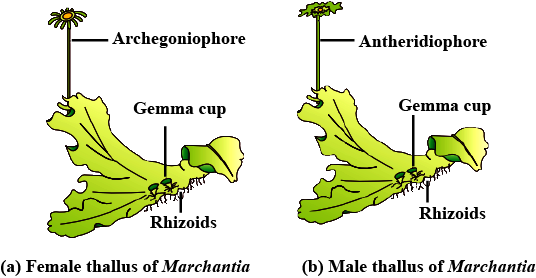
  • During sexual reproduction the sex organs antheridia (male) and archegonuia (female) are produced either on the same (Riccia) Or on different thallus (marchantia). 

  • In marchantia sex organ are Present on stalked recetcles. The male sex organ are present on antheridiophore and female sex organ are borne on the archegoniophore. 

  • Fusion of gamete result in the formation of zygote which develops into an embryo. 

  • The embryo in turn develops into sporophytes (diploid) .

  • The sporophytes are differentiated into foot, seta and capsule. Within the capsule, the spore mother cells undergo meiosis to produce the haploid spores. Spores on liberation germinate into the haploid free -living gametophyte. 


Mosses 


  • The predominant stage of the life cycle of a moss is the gametophyte which consists of protonema and leafy stage.

  • The plant body is a leafy gametophyte which has multicellular and branched rhizoids.


  • They consist of upright, slender axis bearing spirally arranged leaves.This stage bears the sex organs.

  • In sexual reproduction, the sex organs are present on the same plant but on different branches. 

  • Each antheridium produces a number of flagellate antherozoids. 

  • Each archegonium produces a fertile egg. Fusion Of gamete with the help of water leads to the formation of zygote. 

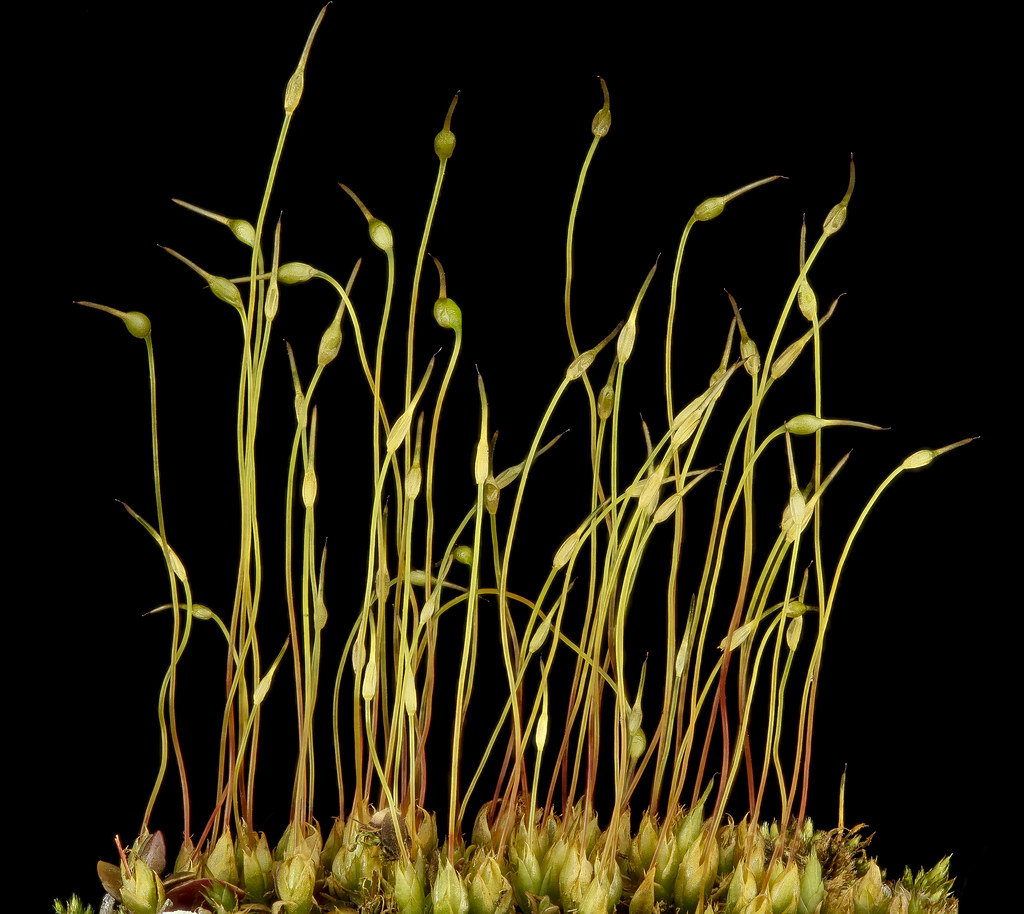
  • The zygote develops into a sporophyte which is differentiated into foot, seta and capsule. 


  • The capsule encloses two spore sacs, where spores are formed by meiosis. 

  • The mosses have an elaborate mechanism of spore dispersal.

  • Thespore on liberation germinates into a creeping,green, branched and frequently filamentous in mosses is by fragmentation and budding in the secondary protonema. 

  • The leafy stage develops from the secondary protonema as a lateral bud. 

Examples : Funaria, polytrichum and sphagnum .


PTE PTERIDOPHYTA

  • The pteridophyta include horsetail and ferns. Pteridophyta are used for medicinal purposes and as soil -binders. 

  • They are also frequently grown as ornamentals.

  • Evolutionary, they are the first terrestrial plants to possess vascular tissue - Xylem and phloem. 

  • The pteridophytes are found in cool, damp and shady places though some may flourish well in Sandy - soil conditions. 

  • In pteridophytes, the main plant body is a sporophyte which is differentiated into true root,stem and leaves. 

  • These organs possess well - differentiated vascular tissue. 

  • The live In pteridophytes are small (microphylls) as in selaginella or large (Macrophylls) as in ferns.

  • The sporophytes bear sporangia that are suspended by leaf-like appendages called sporophylls. 

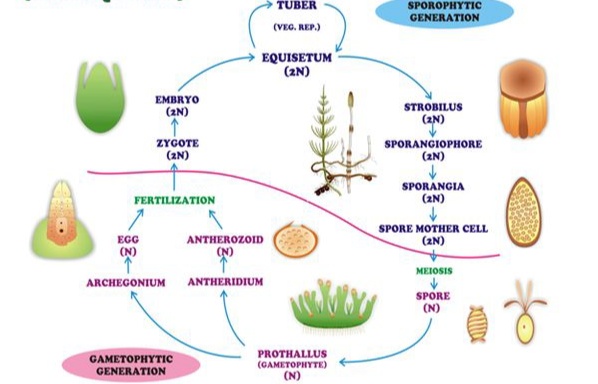
  • In Some cases sporophyll may form distinct compact structures called strobili or cones (selaginella, equisetum) 

  • The sporangia produce spores by meiosis in spore mother cells. 

  • The spore germinates to give rise to inconspicuous, small but multicellular free living, mostly photosynthetic thalloid gametophytes called prothallus. 

  • These gametophytes require cool, damp, shady places to grow. Because of this specific restriction to narrow geographical requirement and need for water for fertilisation, the spread of living pteridophyta is limited and restricted to narrow geographical regions. 

  • The gametophytes bear male and female sex organs called antheridia and archegonia,respectively.

  • Water is required for transfer of antherozoids - the male gamete released from the antheridia,to the mouth of archegonium. 

  • Fusion of male gamete with the egg present in the archegonium results in the formation of zygote. 

  • Zygote thereafter produces a multicellular well- differentiated saprophyte which is the dominant phase of the pteridophytes. 

Life cycle of homosporous pteridophytes Examples : eqistem ,psilotum and lycopodium. 

  • In majority of the pteridophytes all the spores are of similar kinds :such plants are closed homosporous.


  •  selaginella and salvinia which produce two kinds of spores, macro (large) and micro (small) spores, are known as heterosporous

  • The megaspore and microspore germinate and give rise to female And male gametophytes, respectively. 

  • The female gametophytes in these plants are retained on the parent sporophytes for variable periods. 

  • The development of the zygote into young embryos takes place within the female gametophytes. 

Life cycle of heterosporous pteridophytes Example : Selaginella, marselia and salvinia. 

  • This event is a precursor to the seed habit considered an important step in evolution. 


The pteridophyta are further classified into four classes :


  • Psilopsida- Example : Psilotum 

  • Lycopsida- Example : selaginella, Lycopodium .

  • Sphenopsida - Example : Equisetum. 

  • Pteropsida - Example : Dryopteris, pteris, adiantum.


Thank you everyone 

AYURVEDIC ASPECT OF ARJUN

  ARJUN Terminalia arjuna is a miracle tree which was used during ancient times to cure heart problems. Terminalia arjuna Wight & Arn. ...